Friday, January 24, 2014

TRT and natural ways to boost testosterone


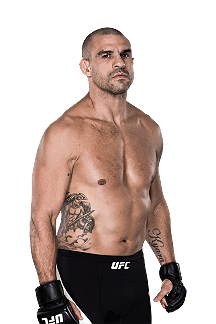
UFC middle weight contender Vitor Belfort


In today’s world of sports, athletes are always seeking a competitive edge. This can be a legal or illegal edge based on the rules and regulations of a sport as well as the sports overseers. One such edge which is always making a buzz in MMA is TRT (Testosterone Replacement Therapy). This has been brought back to the forefront of the sport thanks to Vitor Belfort asking for a TUE (Therapeutic Use Exemption) in Nevada for his upcoming contest vs UFC middle weight champion Chris Weidman.

TUE exemptions have been given to various MMA fighters such as Vitor and Chael Sonnen. Similar therapies were administered to Lamont Peterson, junior middle weight boxer, without commission approval. Athletes believe that just because they are diagnosed and treated by a medical professional that they are exempt from following anti-doping rules. It is up to the athlete to be aware of what is and what isn’t legal in their sport. If they have any questions on a treatment or product they should consult their local commission and promoter to prevent any problems.

Lamont Peterson IBF jr middle weight champion


Getting back to TRT and its use in pro sports, it is my thought that most of the doctors who administer this treatment aren’t looking at the whole picture. They may not be asking the right questions or even administering the proper tests with care.

I’d like to inform you to how training can effect testosterone and also that there are natural ways to revitalize and reinvigorate your testosterone levels so as not to need these medical treatments.

Exercise when done excessively, hence over training, can cause a number of hormonal, physiological and psychological changes to an individual. This is no different for a pro athlete. Our bodies are meant to produce a specific amount of hormones to aid in balancing the chemical reactions that occur throughout the course of our daily lives. The important thing to note, is training is only a fraction of the whole when training. Training hard is nothing without the proper nutrition, and rest. Even more so, training needs to be done in a specific rotation to minimize the stress on joints and muscles in order to ensure an athlete maximal performance during an event.

While I am not close enough to the stories to know the all the details I will say, I believe athletes like Belfort and Peterson had nothing but their own health and interest when taking the TRT. I will also say that a banned substance is a banned, whether it be for performance enhancement, increased healing or medically prescribed for a hormonal deficiency.

It is up to the athlete and his people to seek out knowledgeable medical personnel with a sound background in Sports medicine and physiology. It is also important that the athlete bring to the medical persons attention any banned substances or treatments that will cause him to fail not only a drug test but also a sport related physical.

Below I have added links to articles speaking of how over training in various sports can cause a low testosterone level on a blood test.

http://www.acsm.org/docs/current-comments/overtrainwithresistance.pdf

http://www.exrx.net/ExInfo/Overtraining.html


http://www.rice.edu/~jenky/sports/overtraining.html

http://www.livestrong.com/article/552447-excessive-body-building-low-testosterone-levels/


Natural ways to increase testosterone through nutrition.

http://www.libido-increasing-food.com/

http://ezinearticles.com/?A-Guide-To-High-Testosterone-Foods&id=159720

http://ifitandhealthy.com/how-to-increase-testosterone-levels/

Remember, keep your team and physicians in the loop when making changes to your routine. If you’re going to take supplements, make sure they are from a reputable company (what’s on the label may not always be what’s in the product). It is up to you the athlete to be well informed. Ask the proper medical and nutritional experts any questions you may have.

Please stay informed and be on top of your game both physically and mentally in order to reach your goals.

Yours in Health

Dr. Pietro Baio

Performance Edge Chiropractic

Thursday, January 23, 2014

Dr. Baio interviews "The People's Champ" Luis Collazo


On January 30, 2014, three days before the Super Bowl, Barclays Center will be hosting it’s own Super Bowl. A Super Bowl of boxing, featuring one of Brooklyn bright boxing stars, Luis Collazo, vs Vicious as he calls himself, or infamous as I will refer to him, Victor Ortiz.


Once again Victor is being put in a position where a win for him will guarantee him a major fight, as Victor was destined to be the next De La Hoya in the Golden Boy stable of fighters. Victor has shown in his four loses that when the going gets tough he either gives up or tries to get DQ’d.


In front of him will be a crafty veteran of the ring in Luis Collazo. Luis has been in big fights vs some of the best of our times. Luis held his own Vs Shane Mosley, Ricky Hatton and Andre Berto. Guys that were all in their prime and some, including myself, think Collazo actual did enough to win vs Hatton and Berto.


That being said I see this clash at Barclays as a winner takes all loser goes home fight. Ortiz is coming of a loss to Josesito Lopez, a fight Ortiz was winning till he had a mental laps and Lopez broke Victors jaw. Luis is just climbing back to the top after a shoulder injury and lose to Freddy Hernandez in 2011. This will be Victors 1st fight back in a year and half. He’s been recovering from mandibular surgery and a boxing hiatus so he could film a few movies. Luis has been on a roll with 3 victories, 1 by TKO, and he won the “WBA International Welterweight championship” in his last bout.


All that being said, I got a chance to speak with the man they call “The Peoples Champ”, Luis Collazo.


Dr. B:

On January 31, you will be taking to the ring in Barlcays for the third time. Do you consider it you home arena now?


LC:

Absolutely being from Brooklyn n fighting there is amazing. Get to fight in front of my home town. I love it.


Dr. B:

You'll be facing Victor Ortiz on that night. Who do you think will have more pressure on them coming into this fight? You because you’re fighting in Brooklyn or Victor because he needs to prove he has heart.


LC:

It won’t be me, I’m the underdog, LOL. Hey I’m just enjoying every moment having fun come fight night just going to give the fans a great night of boxing. It’s on him if he has to prove something. I’m good!


Dr. B:

I know you’re coming off of a shoulder injury back in October 2011 when you injured yourself vs Freddy Hernandez. How has it healed?


LC:

Yea, well its part of the Sport things happen. Rehab went Well Then kept working on it with my strength conditioning guy Scooter Honig, he’s a genius when it comes to getting you in shape n rehabbing any part of your body. He’s good at what he does.


Dr. B:

We know Victor likes to use pressure. Will you be able to fire back vs him or will this be a boxer vs puncher type of match up?


LC:

Well we will find out fight Night how it’s going to happen. I don’t have a problem doing either.


Dr. B:

We all know Victor has the ability to have mental lapses in the ring. He's shown it in each of his four loses including Mayweather,

Lopez and Maidana. Are you ready for his rough tactics?

LC:

I’m ready for the whole 9 yards. I’m all in ready to Rock!!


Dr. B:

In Ortiz's last fight he broke his jaw vs Josesito Lopez and needed to have it rebroken because it wasn't healing correctly. Will his chin be something you focus on?


LC:

Well I’m going to be focus on every legal spot I can hit doesn’t matter.


Dr. B:

Lastly, where or who would you like a win vs Ortiz to lead to?


LC:

To be honest my main focus is Ortiz. I don’t care about the next fight. This is the most important fight right now. I don’t care about the future fights

Wednesday, January 22, 2014

Dr Baio interviews Boxing's new rising star Junior "Sugar Boy" Younan


On January 31 Junior “Sugar Boy” Younan will take to the square ring for the first time in 2014 and the 3rd time professionally.  Sugar Boy, who started his pro-boxing career at the tail end of 2013 has collected two TKO victories to his name and I am sure he will look to impress once again on January 31 at the
Richard J. Codey Arena in West Orange, New Jersey. This fight will also mark his first TV appearance, as he will be show cased on “ESPN Friday Night Fights“.

There is a lot of hype around this young super middle weight and there is a reason for that. Having been groomed for stardom from a young age by his father Sherif Younan, former Paulie Malignaggi trainer and current trainer to 8-0 light heavyweight and former Olympian Marcus Browne, Junior has honed his skills in the gyms of New York.

Junior has been sparring with the best from 140-200 + for years working with guys like Paulie Malignaggi, Curtis Stevens, Marcus Browne and Monte Barrett. He has a slick combination of power and allusiveness. Some compare him to Andre Ward or even a young Roy Jones Jr. Either way I’m looking forward to seeing this kid perform for years to come.

I caught up with him as he was preparing for training and got to ask him a few quick questions.

Dr. B:

As you go into your third pro fight, do you have any regrets of not waiting to fight in 2014 golden gloves or 2016 Olympics?


Jr:

No, I don’t have any regrets. I'm more than happy with the position in in at this point.


Dr. B:

You’re currently fighting at 168. I know you've trained at a weight just over 200 lbs. Do you see 168 as the best possible weight class for you right now?


Jr:

I'm very comfortable at 168 so if there will be a move it'll be very far from now.


Dr. B:

Would you go down to 160 or up to 178?


Jr:

Most likely up to 175.
 
Dr. B:
Josh Dubin has called you the next, “ Andre Ward”. Do see this?

Jr:

It was actually my manager J. Prince that said that when he flew to New York to watch me spar for the first time. Those are very big shoes to fill. I do believe I can reach those heights though.

Dr. B:

I know 2014 just started, but where do you see yourself by the end of the year?


Jr:

Prospect of the year God willing. I'm going to stay focused on what I have to do and 2014 will definitely be bright.

Tuesday, January 21, 2014

Sports specialization in young athletes: evidence-based recommendations


Posted on January 20, 2014 by Stone Hearth News

Sports Health. 2013 May;5(3):251-7. doi: 10.1177/1941738112464626
Sports specialization in young athletes: evidence-based recommendations.

Jayanthi N1, Pinkham C2, Dugas L2, Patrick B3, Labella C4.

Author information

1Loyola Stritch School of Medicine, Maywood, Illinois ; Loyola University Health System, Maywood, Illinois. 2Loyola Stritch School of Medicine, Maywood, Illinois. 3Department of Orthopaedics, Children’s Memorial Hospital, Chicago, Illinois. 4Sports Medicine Institute, Children’s Memorial Hospital, Chicago, Illinois, and Northwestern University, Chicago, Illinois.

Abstract

CONTEXT:

Sports specialization is intense training in 1 sport while excluding others. Sports specialization in early to middle childhood has become increasingly common. While most experts agree that some degree of sports specialization is necessary to achieve elite levels, there is some debate as to whether such intense practice time must begin during early childhood and to the exclusion of other sports to maximize potential for success. There is a concern that sports specialization before adolescence may be deleterious to a young athlete.

EVIDENCE ACQUISITION:

PubMed and OVID were searched for English-language articles from 1990 to 2011 discussing sports specialization, expert athletes, or elite versus novice athletes, including original research articles, consensus opinions, and position statements.

RESULTS:

For most sports, there is no evidence that intense training and specialization before puberty are necessary to achieve elite status. Risks of early sports specialization include higher rates of injury, increased psychological stress, and quitting sports at a young age. Sports specialization occurs along a continuum. Survey tools are being developed to identify where athletes fall along the spectrum of specialization.

CONCLUSION:

Some degree of sports specialization is necessary to develop elite-level skill development. However, for most sports, such intense training in a single sport to the exclusion of others should be delayed until late adolescence to optimize success while minimizing injury, psychological stress, and burnout.

 Source - See more at: http://www.stonehearthnewsletters.com/sports-specialization-in-young-athletes-evidence-based-recommendations/sports-medicine/#sthash.JkOo8w4d.dpuf

Wednesday, January 8, 2014

If you exercise while ill, you may do more harm than good


Posted on January 8, 2014 by Stone Hearth News

Newswise — With the flu and cold season in full swing, kinesiology professor Karin Richards, at University of the Sciences in Philadelphia, said many people tend to ignore their symptoms to keep on track with their fitness resolutions for the New Year. In fact, Richards said working out while under the weather can actually do more harm than good for individuals looking to shed a few pounds and adopt healthier lifestyles.

“Depending on where a person experiences symptoms of illness can make or break his or her workout and recovery,” said Richards, acting chair of the Department of Kinesiology. “For instance, those who experience above the neck symptoms such as stuffy noses and sneezing are generally fine to continue their exercise routine. However, those with symptoms below the neck such as a fever, nausea, and muscle aches are urged to stay in bed and recover.”

To date, the flu has claimed the lives of three Philadelphians as the number of infections have begun to climb in the city. So far this flu season – which runs from Sept. 20 to May 18 – 66 cases of the influenza virus have been confirmed in Philadelphia. That’s why Richards said it is vital for sick people to resist the urge to exercise, and stay home from fitness centers as the flu is easily spread in these types of environments.

However, in an effort to keep individuals experiencing minor cold symptoms in line with their fitness goals, Richards compiled a list of exercise tips to help them stay healthy and active:

•Take it easy. Lower the intensity of a regular workout. For instance, if an individual is used to running, he or she is encouraged to walk.

•Stretch out. Sometimes yoga and gentle stretches can make an individual feel better and relieve congestion and pressure. Yoga Journal suggests positions such as supported bridge, legs up the wall, and standing forward bend aid congestion. When battling sinus pressure, Richards said she places her fists over each other and rests her forehead on them when practicing the downward dog position.

•Be courteous. While the sniffles should not be an excuse to not exercise, Richards said to use common courtesy and avoid sneezing and coughing all over the gym equipment. She urges individuals to work out at home or outdoors until they are free of their symptoms.

 •Stay active year round. One of the best preventative measures to avoid sickness is regular physical activity.

While halting an exercise regime while sick might seem like a giant setback, Richards said most individuals can get back into their routines fairly quickly once they have fully recovered.

“There is a fine line between a minor cold and the flu, and it’s important for individuals to stay in tune with their bodies,” said Richards. “A person’s body is stressed when fighting the infection, so placing additional stress through intense exercise only suppresses the immune system even more.”

“Of course, individuals are encouraged to seek the advice of their primary care physician or a healthcare professional if they have any questions regarding continuation or resumption of their exercise routine if they are sick,” she added.

 - See more at: http://www.stonehearthnewsletters.com/if-you-exercise-while-ill-you-may-do-more-harm-than-good/benefits-exercise/#sthash.X6AmOyBM.dpuf

U.S. cracks down on fad weight-loss powders, skin creams


Posted on January 7, 2014 by Stone Hearth News


(Reuters) – Americans putting their faith in so-called miracle cures to shed unwanted pounds are bound to be disappointed, U.S. regulators said on Tuesday in announcing settlements with four companies accused of deceptively advertising such weight-loss products.

The Federal Trade Commission won agreements from L’Occitane, Inc.; Sensa Products LLC; HCG Diet Direct LLC; and Leanspa LLC.

The settlements required them to drop unsubstantiated claims from their ads and, in some cases, to return money to consumers.

The FTC also urged media outlets to scrutinize advertisements more carefully to avoid publishing potentially misleading ads, noting that some of the advertisements for the products – from food additives to skin creams – appeared in mainstream publications.

The commission provided guidance for publishers and broadcasters on how to screen weight-loss claims in advertisements.

The only slim element of the products is their chance of success, said Jessica Rich, director of the FTC’s Bureau of Consumer Protection.

“Resolutions to lose weight are easy to make but hard to keep. And the chances of being successful just by sprinkling something on your food, rubbing cream on your thighs, or using a supplement are slim to none,” Rich said.

 More of U.S. cracks down on fad weight-loss powders, skin creams at Reuters -

 See more at: http://www.stonehearthnewsletters.com/u-s-cracks-down-on-fad-weight-loss-powders-skin-creams/nutrition-food-fraud/#sthash.GUoJIqH7.dpuf

Saturday, January 4, 2014

Overuse injuries and burnout in youth sports can have long-term effects


Posted on January 3, 2014 by Stone Hearth News

Newswise — LEAWOOD, KS —

As an emphasis on competitive success in youth sports has led to intense training, frequent competition and early single sport specialization, overuse injuries and burnout have become common. Given these concerns, the American Medical Society for Sports Medicine (AMSSM) has released a new clinical report that provides guidance to physicians and healthcare professionals who provide care for young athletes.

 “Not only are overuse injuries in young athletes likely much more common than is realized, these injuries can require lengthy recovery periods, and in some cases, they can result in long-term health consequences,” says lead author John P. DiFiori, M.D., Chief of Sports Medicine and Non-Operative Orthopaedics at UCLA, and AMSSM President.

For the 60 million U.S. children and adolescents between 6-18 years who participate in some form of organized athletics (1), youth sports can be an enjoyable and beneficial experience, offering opportunities to increase self-esteem, peer socialization and general fitness. However, an emphasis on competition, collegiate scholarships and elite-level success has led to increased pressure to begin high-intensity training at young ages, often in only one sport. Consequently, overuse injuries and burnout are affecting many young athletes.

In light of these issues, the AMSSM convened an expert writing group of seven sports medicine physicians to review the latest data and provide recommendations for the sports medicine community.

The full report, entitled, Overuse Injuries and Burnout in Youth Sports: A Position Statement from the American Medical Society for Sports Medicine, was developed through a systematic literature search initially yielding nearly 1,000 articles, followed by author analysis. The findings reveal that the current literature, which reports overuse injuries comprise 50 percent of sports injuries, underestimates the burden of these injuries, since many do not result in time loss from sport.

In addition, this new report highlights several specific higher-risk overuse injuries that may result in prolonged recovery and have the potential to endanger future participation. Although infrequent, some may lead to long-term complications.

The paper also emphasizes that there are several unique risk factors for overuse injuries and burnout in children and adolescents. Social, emotional, cognitive and physical factors all play a role.

 “Children grow and mature at different rates, making chronologic age a poor barometer for parents and coaches to set expectations and gauge progress,” said Dr. DiFiori, Head Team Physician at UCLA. “Understanding this can be critical to a child’s self-esteem and motivation to continue participating.”

Other notable findings and recommendations include:

  • A history of prior injury is an established risk factor for overuse injuries that should be noted as part of each injury assessment, and pre-participation examination.
  •  Adolescent female athletes should be assessed for menstrual irregularity as a predisposing factor to bone stress injuries. 
  •  Early sport specialization may not lead to long-term success, and may increase risk for overuse injury and burnout. With the possible exception of early entry sports such as gymnastics, figure skating and swimming/diving, sport diversification should be encouraged at younger ages.
  • Limiting weekly and yearly participation time, limits on sport-specific repetitive movements (e.g. pitching limits), and scheduled rest periods are recommended
  • Careful monitoring of training workload during the adolescent growth spurt is recommended, as injury risk seems to be greater during this phase.
  • Pre-season conditioning programs and pre-practice neuromuscular training can reduce injury rates.

 The full statement is available at http://www.amssm.org/Publications.html.

 The extensive review provides a comprehensive analysis of overuse injuries and burnout in youth sports including these key aspects: Injury Prevalence Risk Factors Readiness for Sport Participation Sport Specialization High-Risk Overuse Injuries Prevention The AMSSM hopes that this information can assist parents, coaches and healthcare professionals as they provide care for young athletes.

 An infographic of the review’s findings is available at http://bit.ly/1bDRsB8.

About AMSSM: AMSSM is a multi-disciplinary organization of 2,500 sports medicine physicians dedicated to education, research, advocacy and the care of athletes of all ages. AMSSM members serve as team physicians at the youth level, NCAA, NFL, MLB, NBA, WNBA, MLS and NHL, as well as with the US Olympic Team. By nature of their training and experience, sports medicine physicians are ideally suited to provide comprehensive medical care for athletes, sports teams and active individuals www.amssm.org

(1) National Council of Youth Sports. Report on trends and participation in organized youth sports 2008. Available at: http://www.ncys.org/pdfs/2008/2008-ncys-market-research-report.pdf, accessed May 10, 2013.