Posted on October 31, 2013 by Stone Hearth News
J Clin Med Res. 2013 Dec;5(6):416-25. doi: 10.4021/jocmr1521w. Epub 2013 Oct 12.
Moist heat or dry heat for delayed onset muscle soreness.
Petrofsky J, Berk L, Bains G, Khowailed IA, Hui T, Granado M, Laymon M, Lee H. Source: Department of Physical Therapy, Loma Linda University, Loma Linda, California, USA.
Abstract
BACKGROUND:
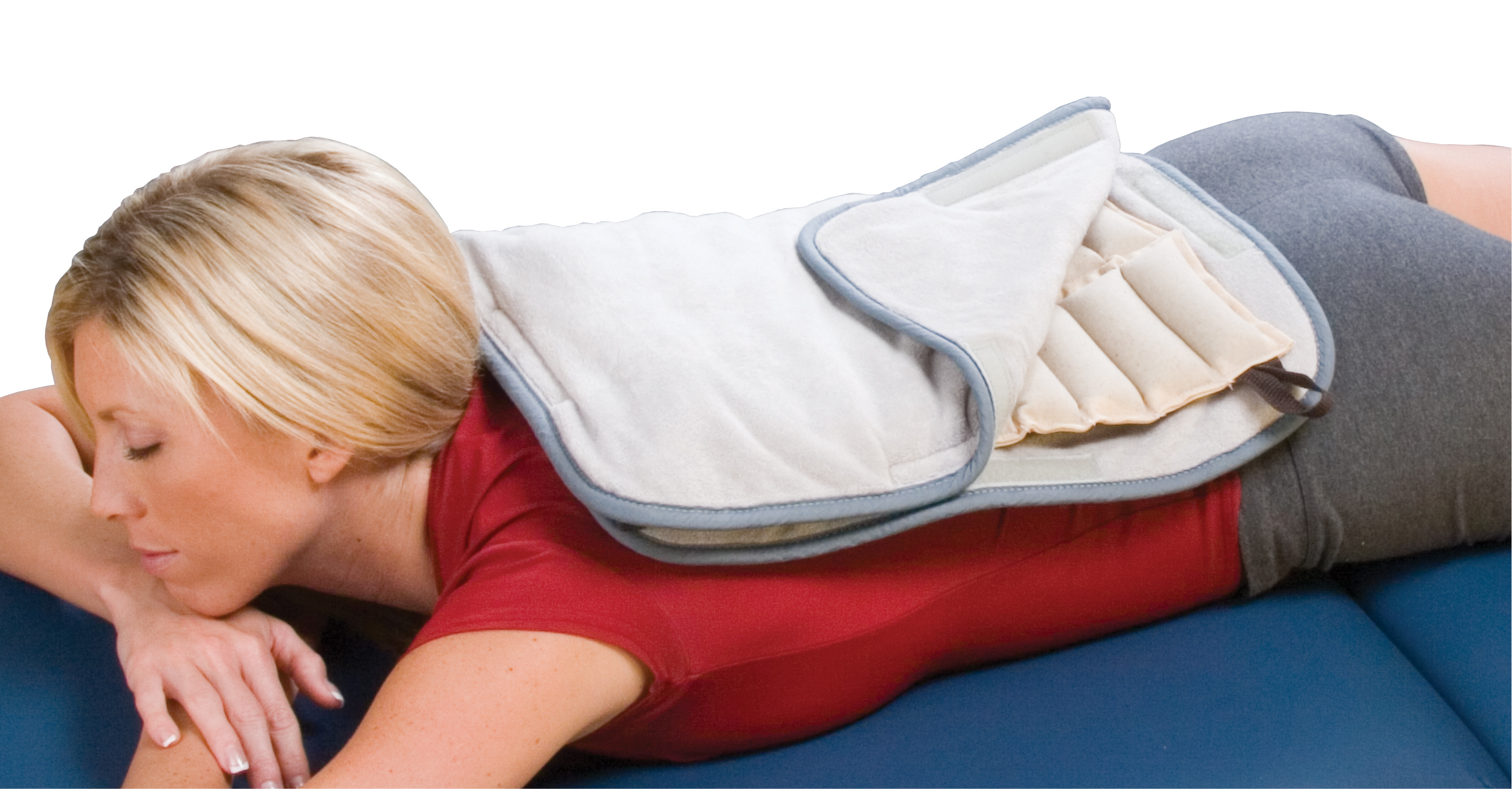
Heat is commonly used in physical therapy following exercise induced delayed onset muscle soreness (DOMS). Most heat modalities used in a clinical setting for DOMS are only applied for 5 to 20 minutes. This minimal heat exposure causes little, if any, change in deep tissue temperature. For this reason, long duration dry chemical heat packs are used at home to slowly and safely warm tissue and reduce potential heat damage while reducing pain associated from DOMS. Clinically, it has been shown that moist heat penetrates deep tissue faster than dry heat. Therefore, in home use chemical moist heat may be more efficacious than dry heat to provide pain relief and reduce tissue damage following exercise DOMS. However, chemical moist heat only lasts for 2 hours compared to the 8 hours duration of chemical dry heat packs. The purpose of this study was to compare the beneficial effect of dry heat versus moist heat on 100 young subjects after exercise induce DOMS.
METHODS:
One hundred subjects exercised for 15 minutes accomplishing squats. Before and for 3 days after, strength, muscle soreness, tissue resistance, and the force to passively move the knee were recorded. Heat and moist heat were applied in different groups either immediately after exercise or 24 hours later.
RESULTS:
The research results of this study showed that immediate application of heat, either dry (8 hours application) or moist (2 hours application), had a similar preservation of quadriceps muscle strength and muscle activity. Results also revealed that the greatest pain reduction was shown after immediate application of moist heat. Never the less, immediate application of dry heat had a similar effect but to a lesser extent.
CONCLUSION:
It should be noted that moist heat had not only similar benefits of dry heat but in some cases enhanced benefits, and with only 25% of the time of application of the dry heat.
Source - See more at:
http://www.stonehearthnewsletters.com/moist-heat-or-dry-heat-for-delayed-onset-muscle-soreness-new-information/concussion/#sthash.SOgbzKgy.dpuf